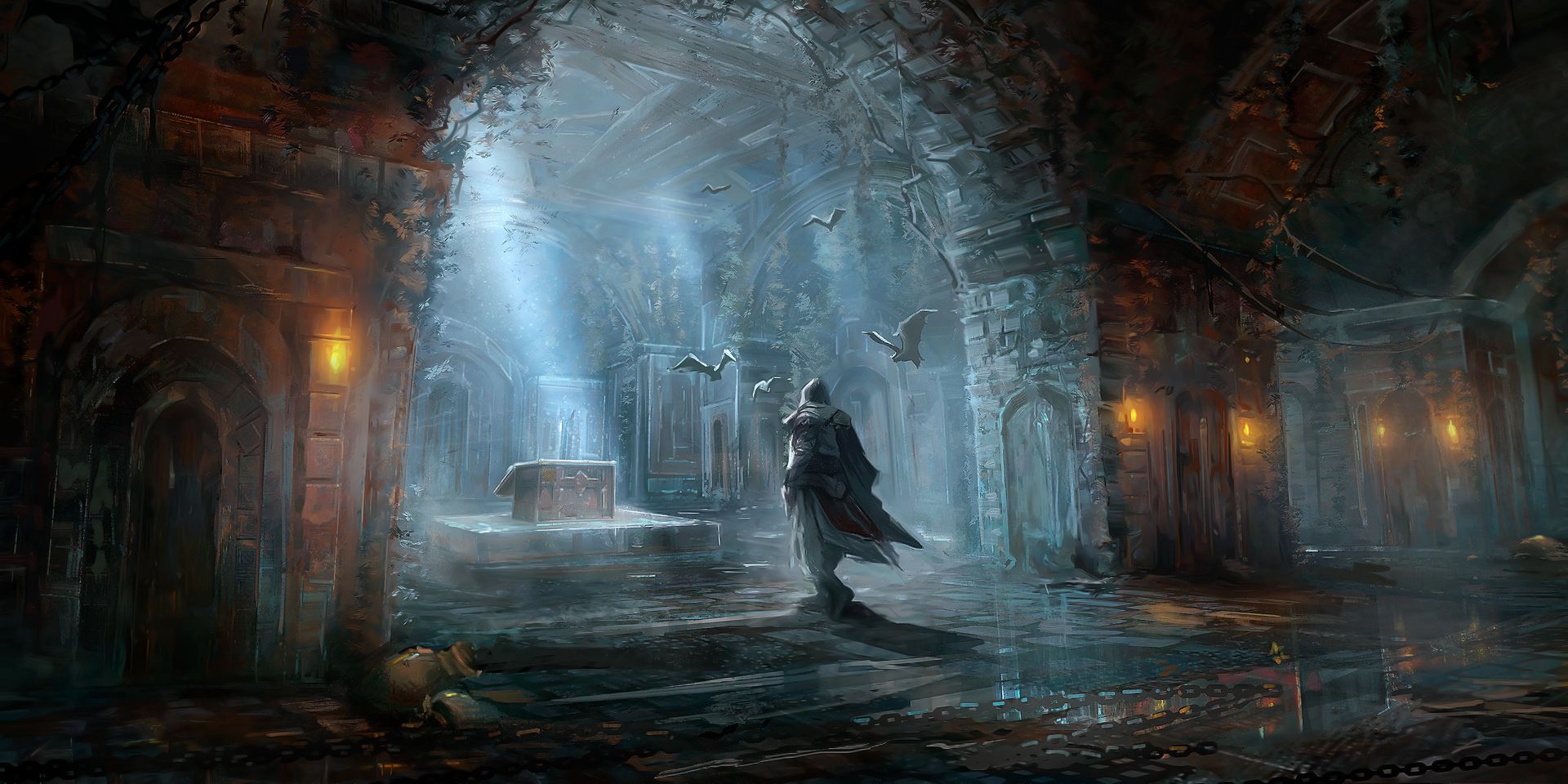
Some subclasses make sense to choose when it comes to a classic dungeon crawl in Dungeons & Dragons. Though there are over a hundred official subclasses to pick from, some factors weigh in more when it comes to a campaign focused on killing monsters and getting loot over political intrigue and detective work. A feature that grants a bonus on persuasion rolls likely won't do much when faced with a hungry giant spider or rolling boulder trap. Dungeon crawling campaigns require more utility in their player characters, and while this may not be the play style of choice for some, there are a few D&D multiclass combinations best suited for it.
A dungeon crawl is a style of play primarily focused on navigating an enclosed area, fighting monsters, solving puzzles, and collecting loot. When thinking of Dungeons & Dragons' classic "Three Pillars", this satisfies two of them: exploration and combat. Any subclass that has its primary focus on one or both of these pillars can be incredibly useful in a dungeon crawl scenario. Subclasses that are primarily roleplay-focused may be better saved for campaigns with similar goals.
The best subclasses for dungeon-crawling campaigns must focus on making sure that the character is equipped to deal with as many of the challenges one would find in a typical dungeon as possible. Whether this is roving goblins, devious traps, or brain-melting puzzles, a D&D subclass that's hard to counter in combat and has advantages in dealing with any obstacles can be considered viable. Bearing in mind that the average party consists of 3-5 adventurers, a subclass can be as specialized as it needs to be thanks to implied support from other dungeon-delvers.
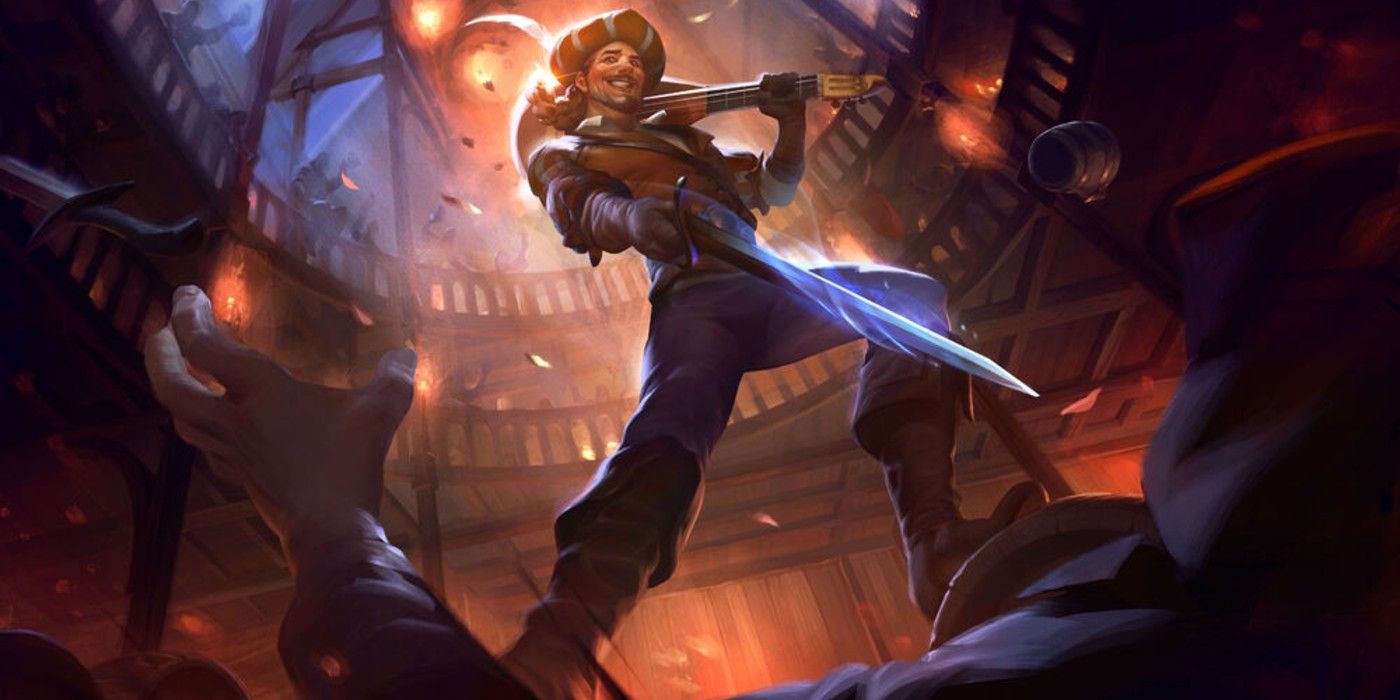
Despite a reputation entwined with the complications of D&D romance, Bards are some of the most versatile player characters in Dungeons and Dragons, with their skillset being as broad or as specialized as need be depending on the player. Some bards are incorrigible smooth-talkers, others performative fencers. Some still tap into the very power of creation to summon supplies and items out of thin air, a versatility that shows how D&D's bard went from too weak to overpowered. With their performance of creation ability, these bards are able to conjure whatever supplies their party may need (within the confines of the ability). Whether it is a torch to light up the dark caves or a mirror for looking around the next bend, college of creation bards can have it ready to go in only a few short bars. When their animating performance comes around, the party will have a new ally in whatever inanimate object the bard desires. When the going gets tough, their ability to call on the motes of potential latent in every one of their party can grant advantage on ability checks, extra damage on attacks, or a rush of temporary hit points on a save, all while navigating the rights and wrongs of D&D romance. This college truly exemplifies the jack-of-all-trades aspect of a bard while still being perfectly tuned for exploring dank dungeon corridors.

The fighter is often considered one of the most basic Dungeons & Dragons classes. However, when venturing into White Plume Mountain, unsure of the dangers that lurk within, there is no one better to have in the party than a battlemaster fighter. These fighters turn armed conflict into an art form, with their multitude of maneuvers allowing them unprecedented control over the battlefield. Positioning themselves, buffing allies or debuffing enemies are all possible with a well-placed battlemaster maneuver. This class exemplifies what makes D&D tactics and combat fun. When given time before a battle to analyze their foe, a battlemaster's keen eye can determine all manner of information that could aid their allies in planning their attack. And even after a long day of fighting through room after room of the dungeon, the battlemaster's Relentless ability ensures that they'll always have a maneuver ready to use should the going get tough.

Dungeons are not known for their well-lit interiors. This is hardly an issue for Dungeons & Dragons' gloom stalker rangers. These rangers are acclimated to the darkness and are able to use it to their advantage. They gain the ability to spring deadly ambushes on unsuspecting foes, leaving few standing after only one round of combat. Even after the first round, their Shadowy Dodge allows them to avoid even the deftest strikes, causing their opponents to hit only shadow, utility usually reserved for D&D spells that could actually break the game. If they miss, at higher levels they can turn a missed strike into a hit using their Stalker's Flurry.
Their Umbral Sight ability allows them to pierce even the thickest gloom with their gaze; perfect for spotting a hiding goblin or concealed treasure chest. When delving deeper into the dungeon, their iron mind ability keeps them from falling victim to illusions. Their uncanny ability to navigate and use darkness to their advantage means that gloomstalker rangers are right at home in any dungeon-crawling team.

While many associate Dungeons & Dragons' rogues with picking pockets and robbing nobles, dungeons provide ample opportunity for a thief to flex their skills. Their fast hands mean that even under pressure of a surprise drow attack, the rogue can still unlock a door or disarm a trap while defending themselves. Higher-level thieves can become one of D&D's most overpowered character builds by making use of a second turn during the first round of combat. Climbing and traversing ruined areas of the dungeon prove no obstacle for thieves, as their Second-Story Work ability lets them move up walls and over chasms with ease. Give a rogue a whip (one of D&D's most overlooked weapons) to use as a rope and they will navigate any dungeon with ease. Slowing down, they can get advantage on stealth checks when moving cautiously, perfect for sneaking past the sleeping cave bears. Use Magic Device lets thieves ignore any level or class requirements on any loot they find, ensuring that it will all be put to good use regardless of party composition.
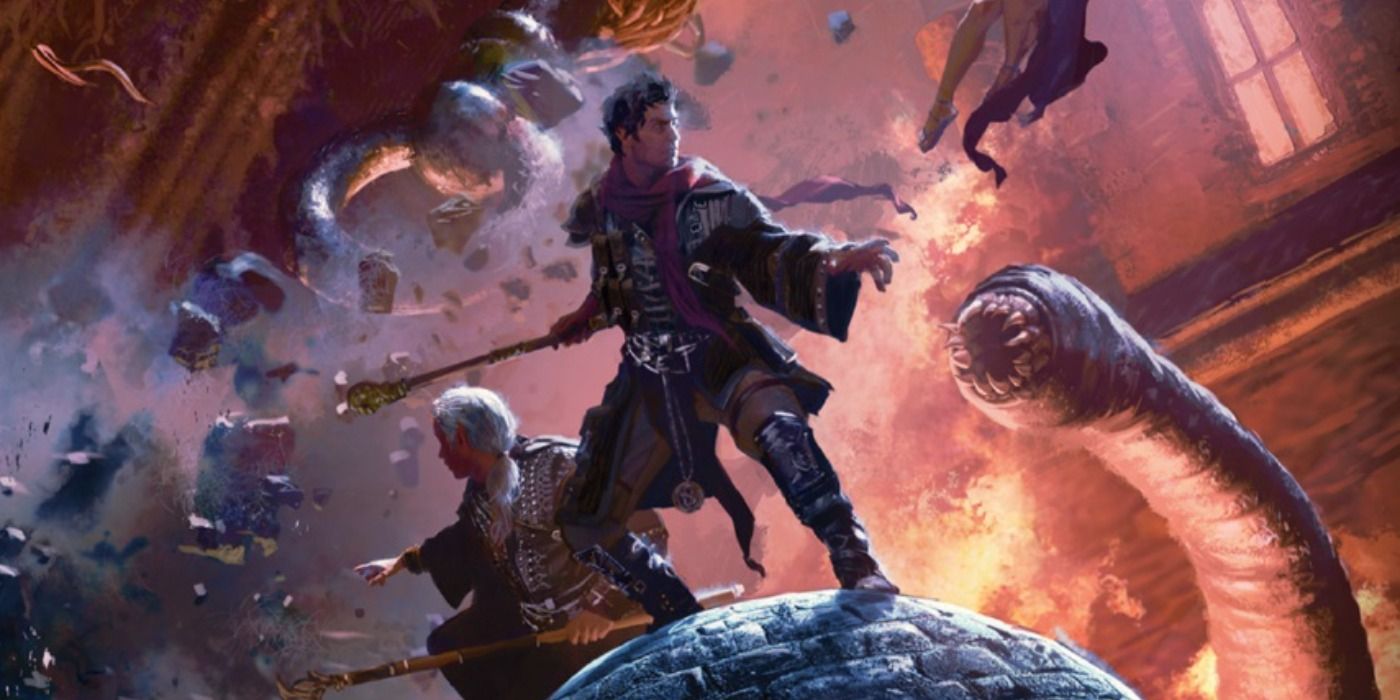
Knowledge is power, and in Dungeons & Dragons, the unique divination wizard build will know things before anyone else. Every long rest they have access to two (three at higher levels) pre-rolled results on a d20 that they can swap with any roll they or a creature they see makes. Advanced warning that the bridge over the deep chasm will collapse can save a party member's life. When they use their magic to access their divining abilities, divination wizards can re-use some of that arcane energy to regenerate a lower-level spell slot for use later. Divination wizards also have the ability to grant themselves darkvision, ethereal sight, the ability to see the invisible (perfect for fighting tricky invisible enemies), or the ability to read any language. Each of those situations is perfect for a dungeon, and the fact that divination wizards can switch between them every long rest means that they will always be prepared for whatever challenge they may face.
A dungeon crawl requires a unique set of skills when compared to a murder mystery or a political dinner. Those subclasses that may thrive in the latter likely flounder in the former. Luckily, Dungeons & Dragons has plenty of options for those looking to plunder the dungeons of its namesake when it comes to subclasses. Each class has one or two subclasses that would feel right at home clearing out rooms in a dungeon complex, and there is little doubt that there will always be a new dungeon to clear on the horizon.
Comments
Post a Comment