Warning! Spoilers ahead for Berserk chapter 355!
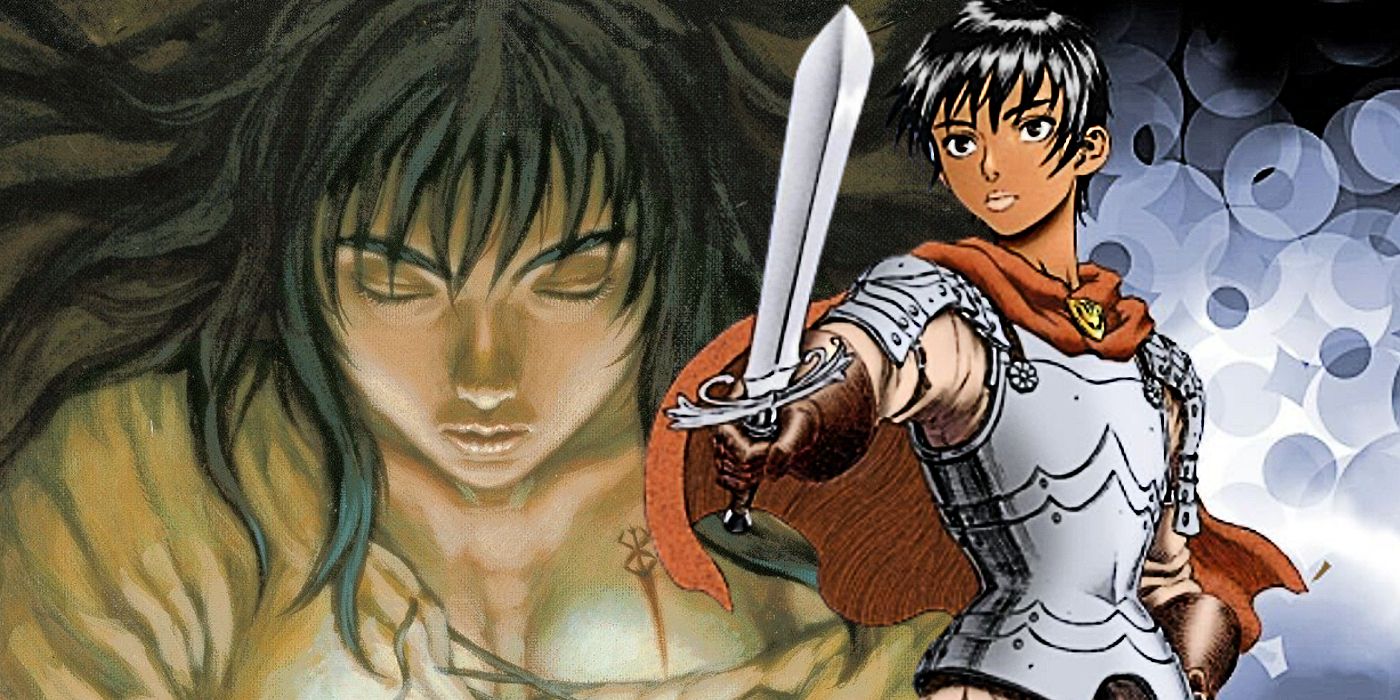
The highly anticipated moment when Casca's broken psyche eventually healed in Berserk already promised to be incredibly monumental and emotional regardless of how it transpired. But the legendary late mangaka Kentaro Miura somehow outdid himself once more when it finally happened, adding a creative spin to the entire experience while providing an unexpected and highly nuanced dynamic that served as an additional gift no one ever expected at the time -singlehandedly elevating the series as a result.
Although readers have seen the true Casca before her mind shatters, at the time, all of these instances solely occur during the epically long flashback known as the Golden Age. In the present day, Berserk only shows Casca as the shell of the powerful woman she was once for hundreds of chapters, an unfortunate circumstance that came as a result of the bloody Eclipse. During that horrific ordeal, Casca's assault at the hands of numerous demons and even her hero Griffith threw her into this near catatonic state where she adopted the persona of Elaine. Her portrayal as Elaine persists for quite some time until Guts and his comrades land on the island of Skellig, where the witch-in-training Schierke and her disciple Lady Farnese enter into Casca's mind in chapter 347.
Entering the Corridor of Dreams simultaneously transports Schierke and Lady Farnese into a barren landscape where they meet a lonesome dog, a clear representation of Guts as it pulls an ominous-looking coffin containing a fractured, life-size doll of Casca. And inside that doll is an obvious nod to Casca's alter ego, a silent but highly animated character like Elaine, except quite small. There, within this dreary place, Schierke and Lady Farnese are tasked with assembling the fragments of Casca's mind, which take the form of the missing pieces from the shattered Casca doll, and each broken shard can only be found within a pivotal memory from Casca's past including the bloody Eclipse.
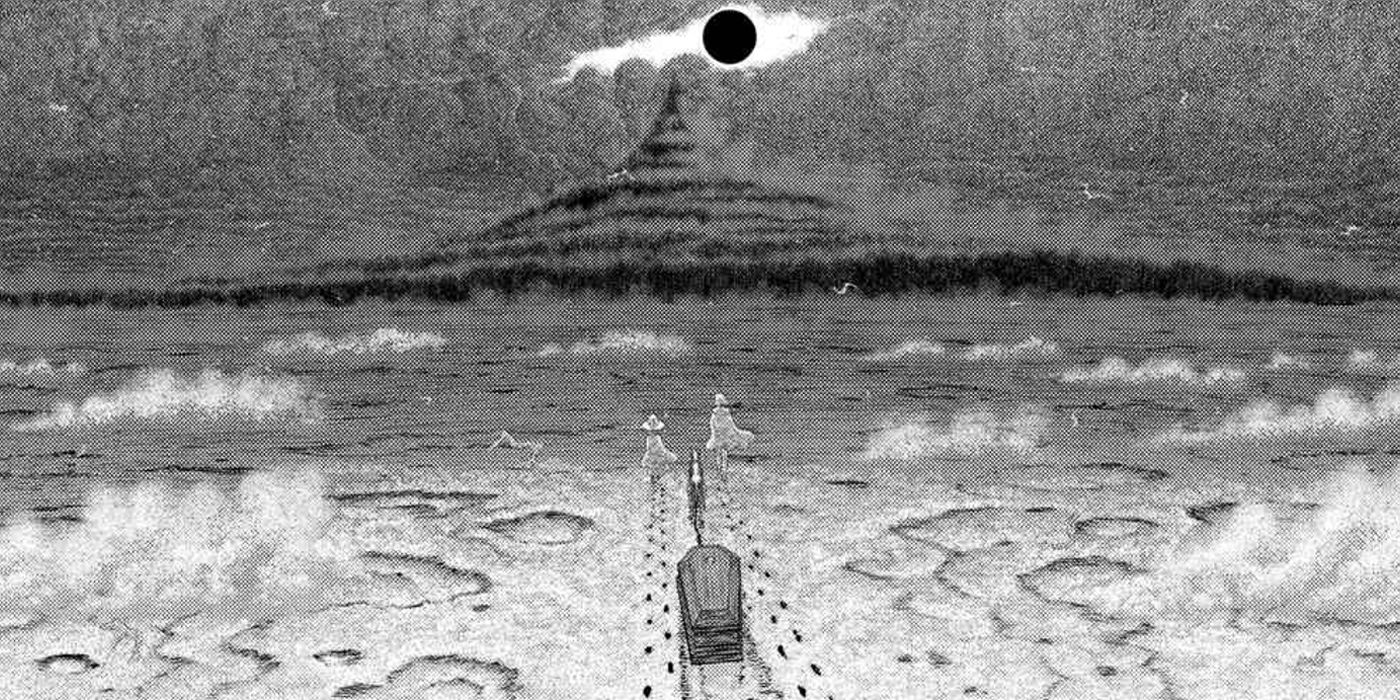
Even though many of these moments manifest in outlandish ways that require Schierke and Lady Farnese to overcome equally odd and unsettling tasks, their original inspiration is always clear, providing readers with alternative interpretations to unforgettable scenes. But what readers undoubtedly appreciate most is how Schierke and Lady Farnese are able to feel exactly what Casca initially felt at the time these events took place before they became memories. The most deeply emotional example transpires in chapter 350 after the two travelers see Casca and Guts make love for the first time. This development served as a pivotal moment in their relationship at the time, setting the tone for the rest of the series that currently gives Berserk readers hope for a better future. Fans clearly felt a certain way when they first read this scene, and they undoubtedly thought they understood how Casca and Guts felt, too. Now readers know for sure, and it changed everything.
Kentaro Miura could have easily depicted Casca's return more straightforwardly, just due to the momentousness of the occasion. But, instead, he created a much richer experience - even a whole other world - in a manner he had never done before. Before then, Berserk rarely pushed metaphors as fervently as it did now, save for Guts' "Bonfire of Dreams" speech during the Golden Age. But this journey allowed fans to revisit favorite moments in a unique way. Moreover, it is rather beautiful that Miura chose Schierke and Lady Farnese to go on this harrowing adventure, for they'd already formed an intimate attachment to Guts that could even be described as romantic, and bringing Casca back would surely jeopardize that part of their relationship. Yet, the fact that they still persevere is powerful, especially since they also lose a friend in the process, for they'd befriended Elaine and don't even know Casca. These chapters not only represent one of the most highly anticipated developments in the entire series but they masterfully elevated the entirety of Berserk, as was expected of the legendary late Kentaro Miura.
Comments
Post a Comment