Roger Ebert's Favorite Mad Max Movie (Is Not What You'd Expect)

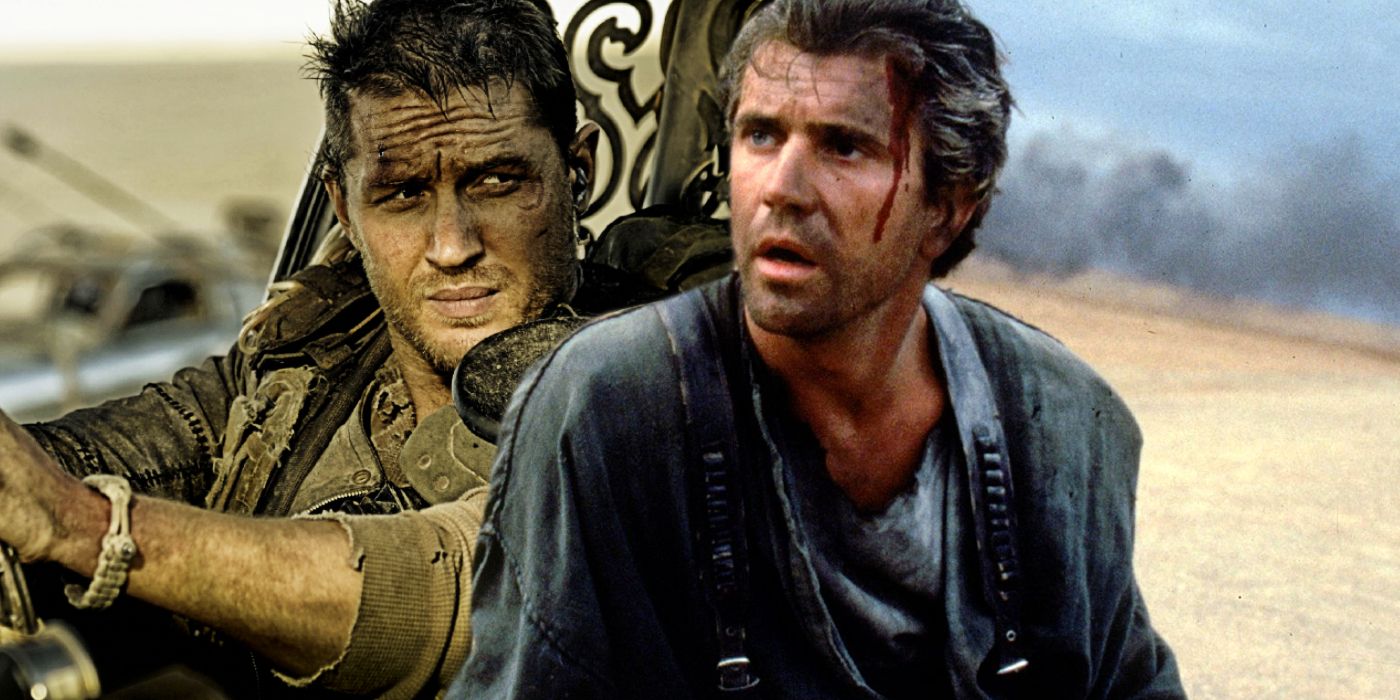
Legendary movie critic Roger Ebert’s favorite Mad Max movie was the least popular in the franchise, and the reviewer’s rationale for the pick may come as a surprise to many fans of the series. Most franchises follow a pretty predictable rhythm when it comes to their critical standing. Often, early movies receive rave reviews (or at least positive) write-ups and, while the first few sequels may on occasion match the reception of the original movie, the more installments there are, the worse their critical standing becomes.

In recent years, some ambitious franchises have been able to avoid and, in some cases, even reverse this fate. However, until 2015’s Mad Max: Fury Road, the post-apocalyptic sci-fi thriller series fell victim to this formula. The original Mad Max was broadly beloved as a gritty, brutal effective revenge thriller, its first sequel The Road Warrior was well-liked as a cartoonier, more over-the-top sci-fi chase movie, and the third outing Mad Max: Beyond Thunderdome was seen as a disappointing follow-up that couldn’t recapture the magic.

Related: Mad Max: Everything Wrong With Furiosa’s Comic Backstory

However, the iconic movie critic Roger Ebert did not share this opinion. In a choice that will come as a shock to many fans of the franchise, Ebert’s favorite Mad Max movie was Beyond Thunderdome, which he gave a rare four-star review upon release. Ebert said the movie was not only the best outing of the series so far but also one of the best movies released in 1985, which is very high praise for a sequel that was mostly seen as a lesser franchise outing (despite Beyond Thunderdome foreshadowing Fury Road’s Furiosa future).
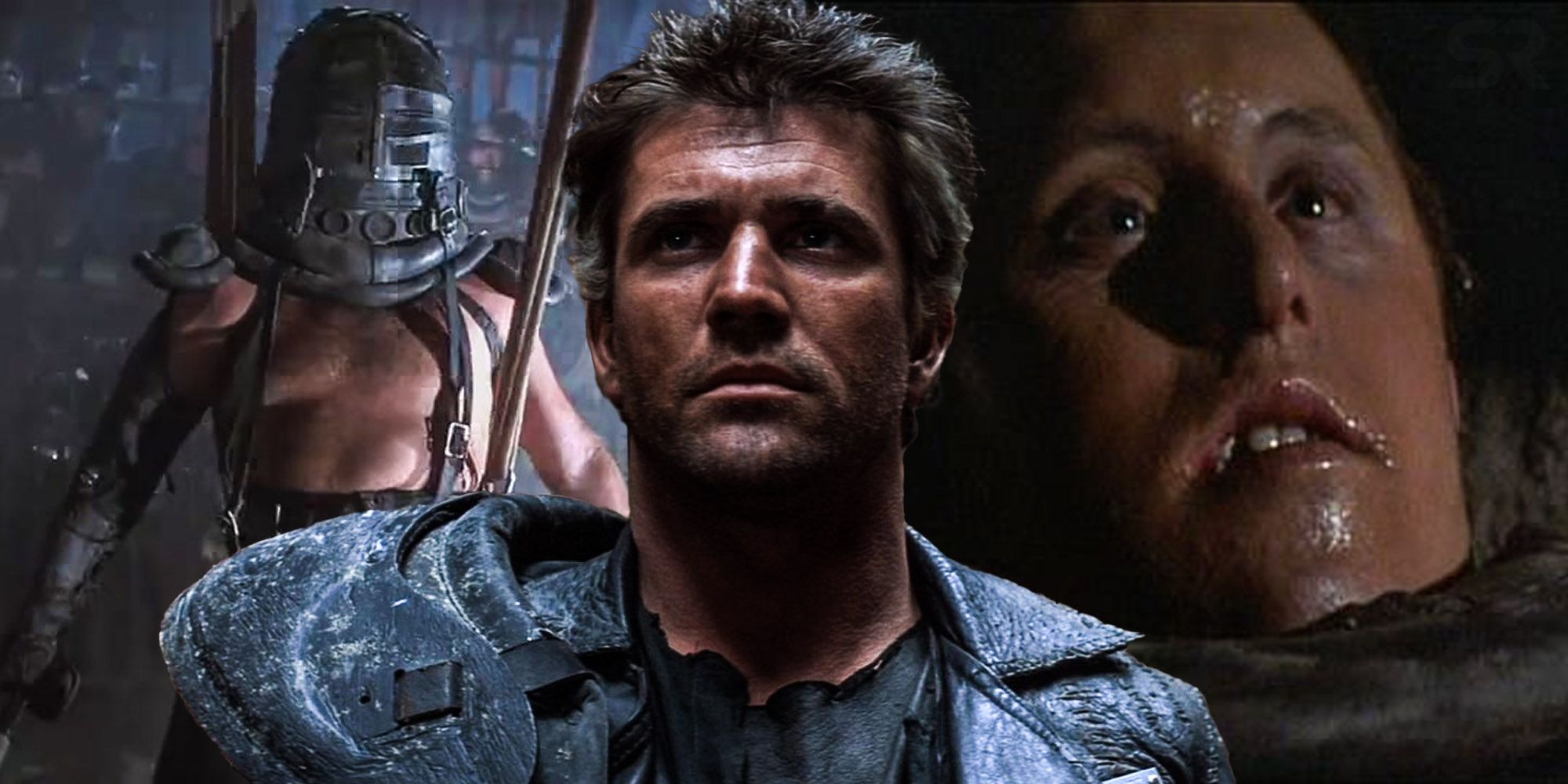
Per Ebert, the immersive setting of Beyond Thunderdome more than made up for the movie’s more meandering pacing and its stunning sets were worth more than the bruising, brutal action set-pieces of earlier franchise installments. While it is broadly agreed that Beyond Thunderdome is a less intense and urgent outing than the rest of the Mad Max movies, Ebert viewed this as a positive for the franchise since the movie had more room for world-building. While a lot of Mad Max fans might balk at the critic’s claims, though, there are some undeniably valid points made about the underrated movie's successful aspects in his review. For one thing, Ebert notes “the fight between Mad Max and Master-Blaster is one of the great creative action scenes in the movies.”

Pulling off Beyond Thunderdome’s Master Blaster twist does give the sequel one of the franchise's most effective surprises and one of its most poignant moments, something that the harsh earlier movies are missing. Similarly, Ebert’s comment that, as “Mad Max first visits Turner's sky palace, I began to realize how completely the director had imagined this future world” will ring true for fans of the series, which became even more immersive with the arrival of Fury Road. While Fury Road was undeniably more artful about weaving its world-building and action together without sacrificing pacing, Beyond Thunderdome did offer the sequel a roadmap for introducing a complicated post-apocalyptic society in mere minutes of screen time. This was part of what made the Mad Max sequel stand out for Ebert and remains an impressive achievement that advanced the franchise, even if it’s not enough to make the third movie every fan’s favorite.

More: Mad Max: How Old Max Is In Every Movie


Comments

Popular posts from this blog

CBS' Ghosts: Every Main Ghost Time Period & Backstory Explained

One of CBS' newest sitcoms,  Ghosts , features a cast full of spectral characters that each hail from a distinct time period and come with their own unique backstory and death. Though each of the eight ghosts has a wildly different perspective based on their different experiences throughout history, they nonetheless form a sort of family, which is one of the show's greatest charms. After all, being stuck with the same people for all of eternity allows for plenty of time to get to know each other. Ghosts , which is an adaptation of a BBC show of the same name, stars Utkarsh Ambudkar and Rose McIver (who played Liv Moore on five seasons of  iZombie ) as Jay and Sam, a young couple who inherit a mansion in upstate New York. To their surprise, however, the house also comes with several ghostly inhabitants, who Sam is able to see after a near-death experience. These are Thorfinn (Devan Long), Sasappis (Román Zaragoza), Isaac (Brandon Scott Jones), Hetty (Rebecca Wisocky...

The Hateful Eight's Original Ending Explained (& Why Tarantino Changed It)

The Hateful Eight has an ending full of blood and betrayal, as expected from any Quentin Tarantino movie, but this wasn’t the original ending – here’s why he changed it. Tarantino has explored different genres throughout his career; though he’s best known for his crime movies like Reservoir Dogs and Pulp Fiction , he's also visited genres like martial arts (with both Kill Bill  films) and black comedy ( Once Upon a Time in Hollywood ). In addition, he's shared his version of westerns with Django Unchained and The Hateful Eight , with the latter going through some problems and creative changes even before it began shooting. Set in 1870, Tarantino's The  Hateful Eight follows eight strangers, all with different (and secret) motivations, who end up in a stagecoach lodge after seeking refuge from a blizzard. These characters are Major Marquis Warren (Samuel L. Jackson), John “The Hangman” Ruth (Kurt Russell), Daisy Domergue (Jennifer Jason Leigh), Chris Mannix (Walton Gog...

Why Spider-Man 3's Uncle Ben Retcon Doesn't Change Peter's Origin

Sam Raimi’s Spider-Man 3 is often criticized for a major retcon made to Uncle Ben’s death , but this retcon ultimately doesn’t change Peter Parker’s classic origin story. Raimi’s third film in the iconic Spider-Man trilogy is often criticized, perhaps unfairly. While the film suffers from too many character arcs and plot threads and would have been better as two or three separate films, it does a more than adequate job adapting the Spider-Man comics and telling a sincere story about relatable, flawed, characters who are intertwined with the extraordinary, just as Stan Lee and Steve Ditko intended when co-creating the character. Uncle Ben’s retconned death may alter classic elements from the comic version, but it retains its most important aspects in regards to Peter’s characterization. 2002’s Spider-Man is, for much of the film’s first half, a faithful adaptation of Spider-Man’s 1962 origin story in issue 15 of the Amazing Fantasy comics. An awkward social pariah, Pete...