
Robyn Brown is known for having a flair for the theatrics in Sister Wives, but fans think the sister wife has crossed the line in her self-centered response to Christine Brown's unprecedented decision to leave Kody. During the season 16 tell-all special, the members of the Brown family demonstrated that they're all still coping with Christine's exit, and while some have offered Kody's former spouse compassion, viewers think other sister wives have made the split about their own egos. From selfish and insensitive comments about the breakup to her narcissistic traits, here's why Sister Wives fans think Robyn made Christine's exit about herself.
Ever since Robyn joined Kody's plural marriage in 2010, the Brown family's dynamics greatly shifted to make room for her as the supreme sister wife. Although he had been married to his first three wives for decades before meeting Robyn, Kody was quick to trade in his relationships with Meri, Janelle, and Christine to welcome his fourth wife to the polygamous family. Over the past decade, fans have suspected that Robyn manipulates her husband and fellow sister wives to ensure that she's getting the most attention. Although Christine's departure naturally made her the subject of Sister Wives season 16, Robyn still demonstrated her knack for claiming the spotlight. Fans think Robyn made Christine's exit about herself during the tell-all event.
Unsurprisingly, Robyn has shared plenty of controversial opinions about Christine's decision to abandon the Brown family's plural marriage in Sister Wives season 16. First, fans were irritated with Robyn for asserting that Christine shouldn't have acted on her impulse to leave her failed relationship with Kody. Robyn asserted that she felt anger toward her former sister wife for not trying harder. Robyn continued to make more questionable comments when she implied that Christine's exit is really about herself. During the Sister Wives tell-all special, Robyn shared that she was devastated by Christine's choice because it affects her vision for her future. In response to Robyn's complaint that Christine's exit ruined her "big picture," a Reddit user slammed, "Robyn’s response... totally shows that everything in Robyn’s mind revolves around her." Fans think Robyn made Christine's exit about herself by focusing on how the divorce messed up her plans.
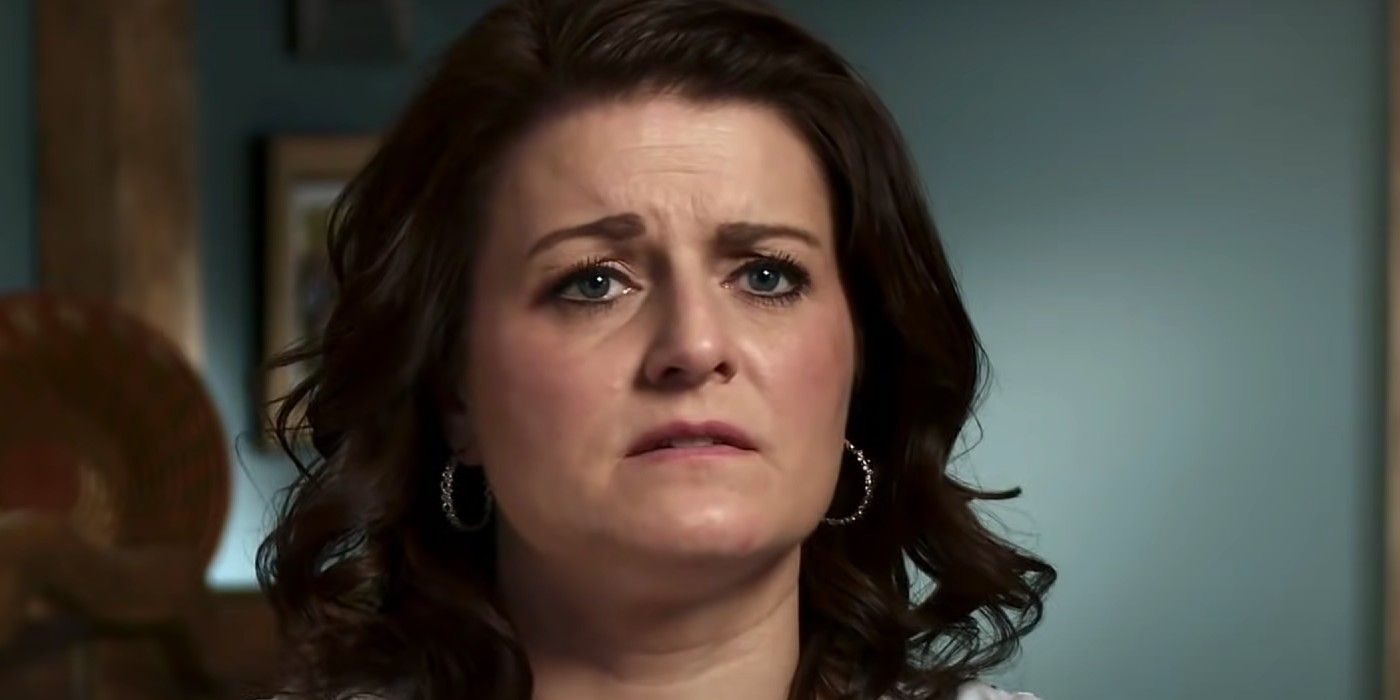
Surely, it wasn't easy for Christine to leave her family of 27 years, but instead of having compassion for her former sister wife, Robyn Brown could only highlight how Christine's departure affected her ideal life. Critics believe this demonstrated how Robyn has a habit of making everything about herself and framing herself as a martyr. Rather than reflect on how she could have contributed to Christine's pain, Robyn's illustrated how Kody's ex-wife is inconveniencing her. One fan explained, "No empathy or understanding for Christine. [Robyn] had to make it all about herself like always." Some viewers think Robyn's need to make Christine's exit about herself falls in line with her narcissistic tendencies. Fans think Kody and Robyn's self-centered responses to Christine's split are indicative of their shared narcissism, as a commenter assessed, "Two narcissists together; one is a bully and the other has a martyr complex."
Christine might have had the most compelling storyline in Sister Wives season 16, but Robyn Brown wasn't willing to give up the spotlight easily. From complaining that the spiritual divorce ruined the Brown family's future to making herself the martyr, fans think Robyn made Christine's exit about herself. Fortunately for Robyn, she will have more room to shine in future Sister Wives seasons without Christine around.
Sources: rtdrago/Reddit, RozGu/Reddit, MoxieDoll/Reddit
Comments
Post a Comment