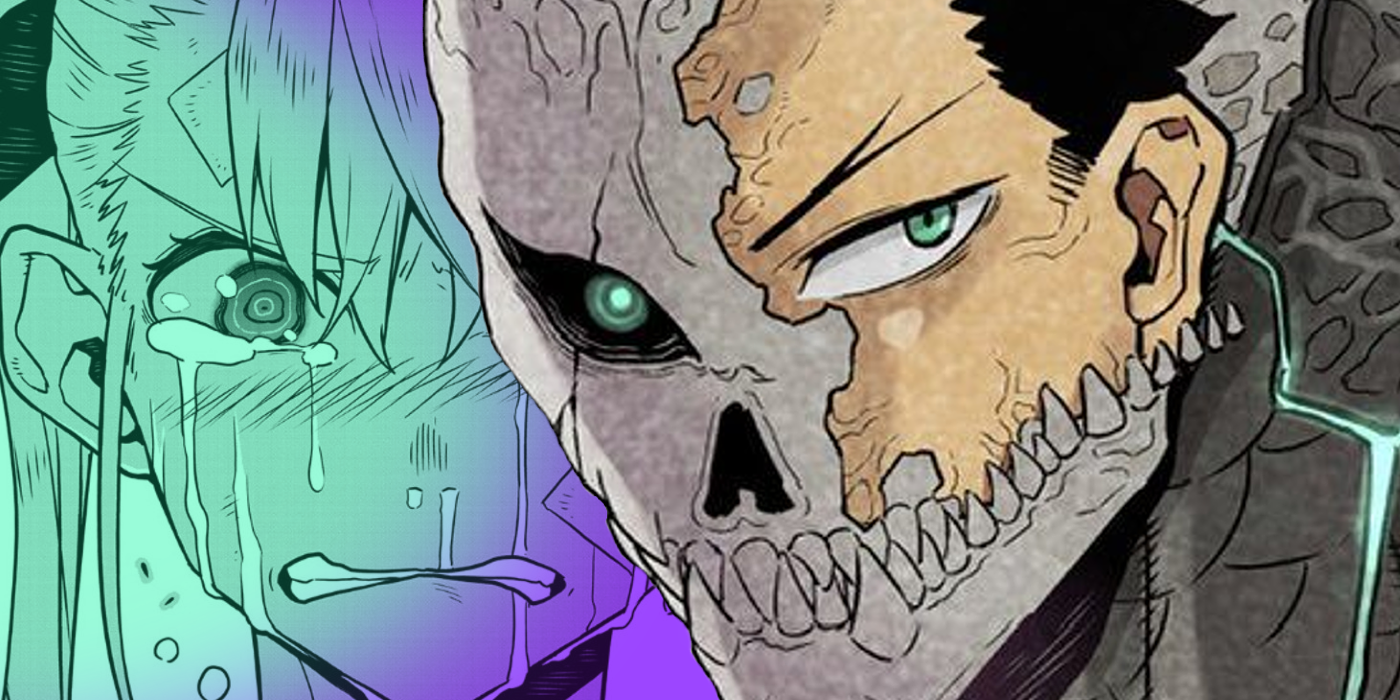
Warning: contains spoilers for Kaiju No. 8 chapter #54!
The latest chapter of Kaiju No. 8 showcased one of the prominent issues with modern shonen manga. After the murder of one major character at the hands of a monstrous kaiju, his daughter and co-protagonist of the series processes her grief by resorting to the old, "I want to get stronger" cliché, proving that even action-focused comics need to evolve their narrative.
In Kaiju No. 8, the world is plagued by the attacks of the titular monsters. Japan is an epicenter of kaiju activity, but the country is valiantly protected by the Japanese Defense Force, whose soldiers use kaiju-based technology to enhance their combat abilities. Kafka Hibino is the series' protagonist, who dreams of becoming a member of the Defense Force, but due to lack of talent has to settle for a job as "Monster Sweeper," cleaning up after the kaiju battles. When he accidentally ingests a mysterious insect, he acquires the power to transform into a human/kaiju hybrid (dubbed Kaiju N. 8), and he finally gets recruited into the Defense Force, where he also meets Kikoru Shinomiya, a child prodigy and the daughter of Isao Shinomiya, the Director General of the Force.
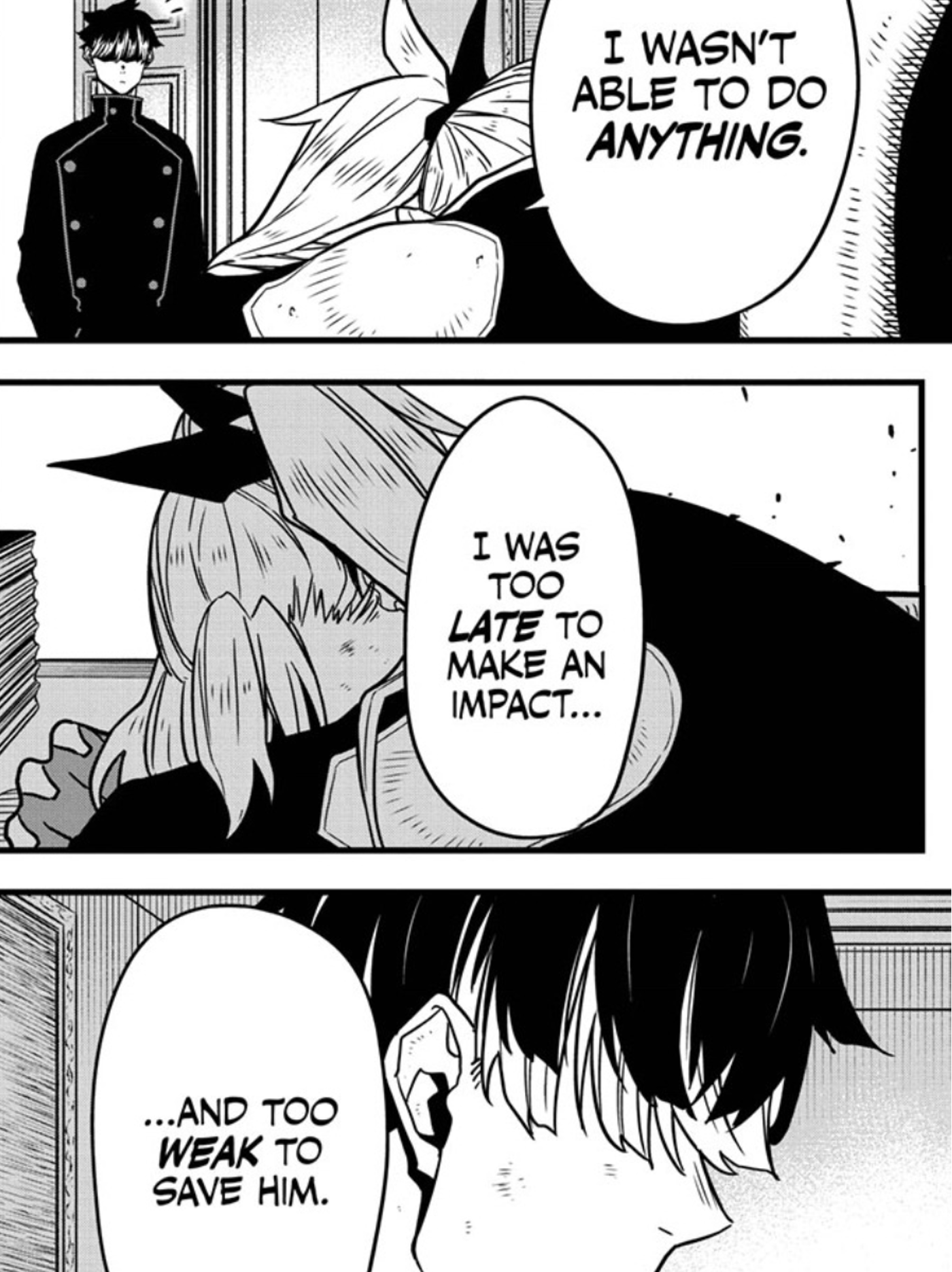
Kikoru has already fallen into the stereotype of the child raised by a demanding, emotionless father to be the best at everything. The fact that Isao's ruthlessness towards Kikoru was due to a promise made to his deceased wife (also a member of the Force, killed in battle) however, gave the story enough depth to remain interesting despite the use of shonen tropes. Nevertheless, in chapter 53, Isao was killed by the powerful Kaiju No. 9, who takes over his body. Kikoru is forced to watch this, powerless, and she is even a hindrance for Kaiju No. 8 and Captain Gen Narumi, who have to let Kaiju No. 9 escape to protect her from an attack. Chapter 54 deals with the aftermath of this event, but does so by resorting to trite stereotypes of the shonen genre. Kikoru does not show up to the military funeral for Isao. When Narumi, who is her unit commander, goes looking for her, he finds the girl at her father's desk. She is crying, lamenting her weakness as the reason she could not save Isao, and blames herself for the monster's escape. She then stands up and says: "I want to get stronger," setting up an upcoming "training arc" in which the main characters will likely work to become stronger in order to best their enemies.
While training to overcome one's limits is a fundamental aspect of most shonen, seeing it applied once again to something deeply personal such as the loss of a parent raises questions of just how much the genre has failed to evolve in providing a realistic representation of its characters' emotional lives. Older shonen, such as the genre heavyweight Dragon Ball, avoided focusing on complex feelings. In Dragon Ball, for example, death is almost non-consequential for the characters due to the use of the wish-granting Dragon Balls and most characters, even vilains such as Frieza, have come back from the dead several times. One Piece, on the other hand, is a great example of how to handle feelings in an action-packed manga. There are some deeply emotional stories (usually reserved for flashbacks) but these are always handled with a great sensitivity that makes them resonate with the reader. Sadly, this is the exception.
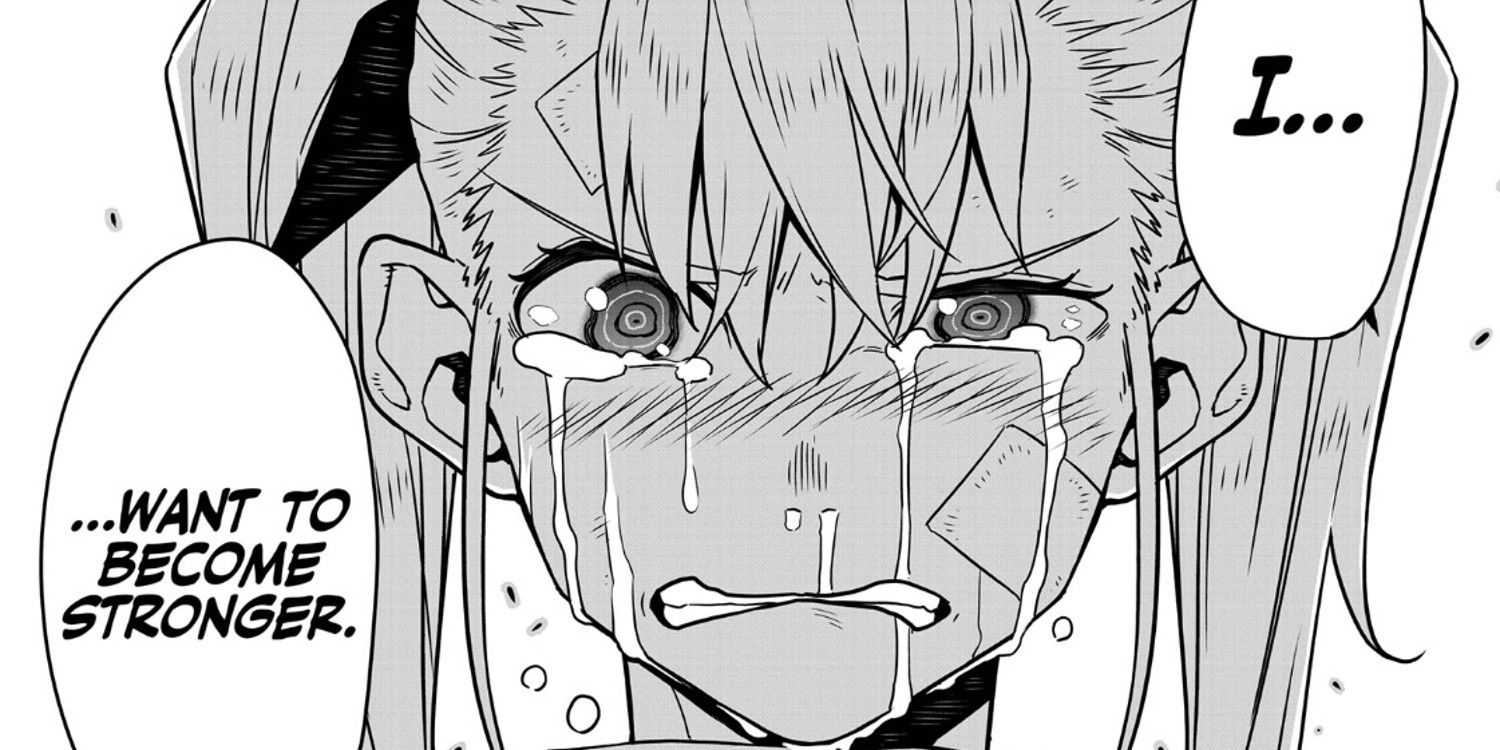
Unfortunately, Kaiju No. 8 seems to be falling at this obstacle, taking the grief of one of its main characters and resolving it into more action in just a handful of pages, relying on shonen clichés to push the story towards its next stage. While shonen manga have surely evolved in order to cater to a more mature, more genre savvy readership, this process needs to continue, and contemporary manga like Kaiju No. 8 need to be brave enough to explore, rather than simply acknowledge, emotional moments.
Comments
Post a Comment