By the time of the Goblet of Fire, Snape is entrenched as a semi-villainous wizard who continually bullies Harry - and who Harry continually suspects of being up to no good. All this, despite the fact that (when looking back) it seems like in most previous years, Snape has actually spent a lot of time choosing to protect Harry - even if he's not particularly nice to him while he does!
Once again, during the Triwizard Cup, Snape makes his decisions based largley on how he can protect Harry, and on making sure that his loyalties to Dumbledore are fulfilled. While he's still his usual dour, bullying, self, Snape does make some great choices - whether to help Dumbledore, help Harry... or even to help Draco (in a way that isn't through extra house points).
5 Not Giving Post-Ferret Draco More Detention
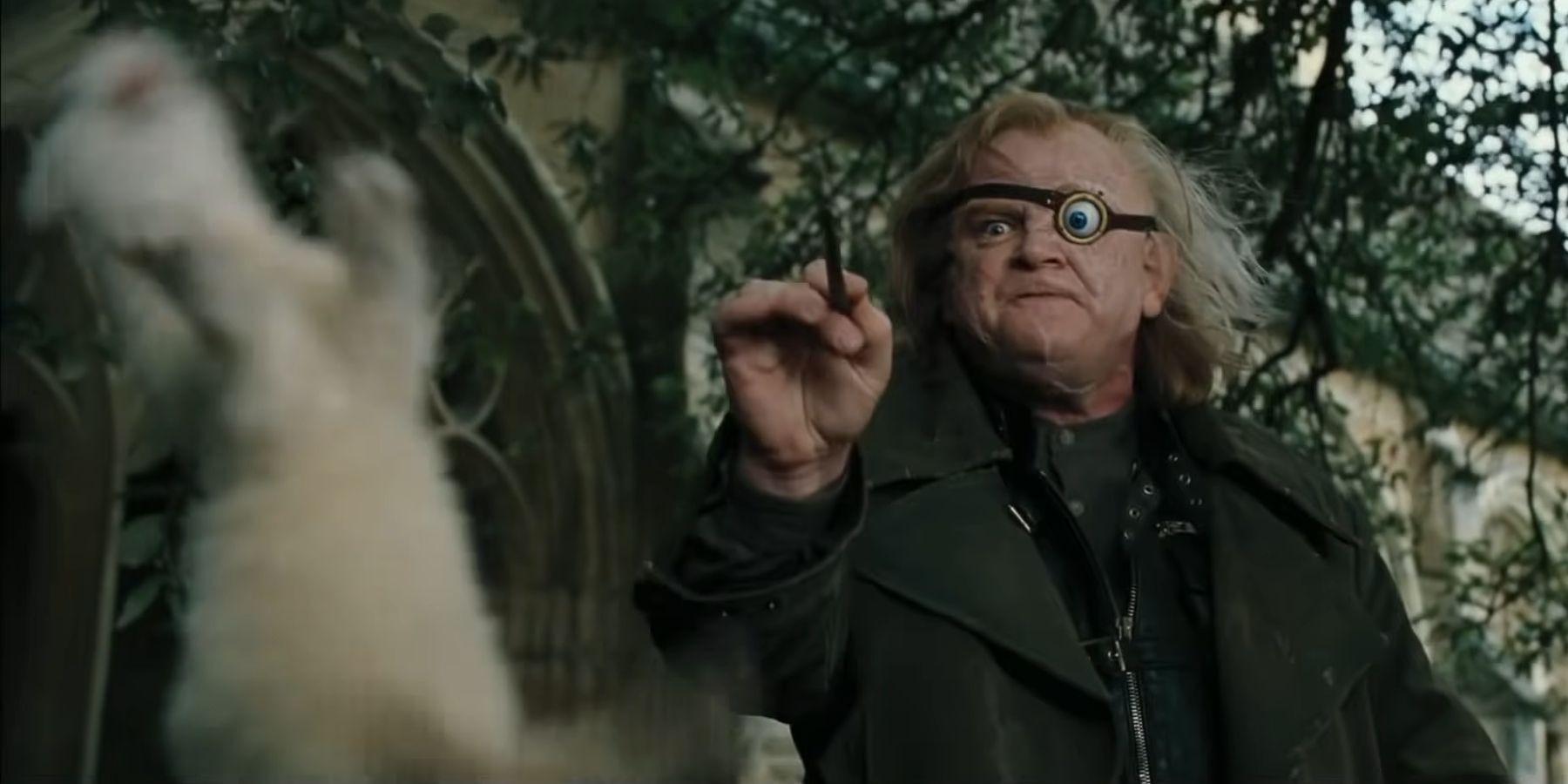
When Draco attempts to curse Harry while his back is turned, in front of Moody, the results are disastrous for him. Draco ends up being bounced through the air as a ferret, until a shocked Professor McGonagall stops it, and reminds Moody that Draco's Head of House would be the one to assign a punishment.
Snape could well have done so, too, but there is no mention of a further detention or retribution for Draco, so it seems that Snape chose to let him off. While this could be seen as yet another instance of favoritism (Draco can curse someone without a detention, while Harry and his friends get house points knocked off for the slightest thing), it could also be seen as a wise move from a teacher who knows how humiliation this kind of violation of bodily autonomy can be. Snape himself was dangled upside down as a student - although in human form, and by another student. He would understand that after that experience (which does leave Draco subdued for some time), further punishment would be unhelpful and unnecessary, and that Draco had already suffered a far-too-severe 'punishment'.
4 Trying To Stop Harry Competing In The Tournament

While most of the teachers (and the other champions) were unhappy about Harry competing in the Triziward Tournament, none were as vehement about it as Snape. While Dumbledore was surprisingly casual about it (and his allowing Harry to compete was clearly one of Dumbledore's worst decisions this year), Snape was livid, and tried everything he could to stop Harry competing.
At the time, this seemed as though it was simply another sign of how much Snape despised Harry, and how angry he was at his shot at glory. However, in retrospect, this was likely because Snape was so unwilling to put Harry in any danger! Had the rest of the staff listened to Snape, and actually found a way to prevent Harry competing, everything would have been different - starting with Cedric simply winning the cup, and remaining alive!
3 Refusing To Help Karkaroff
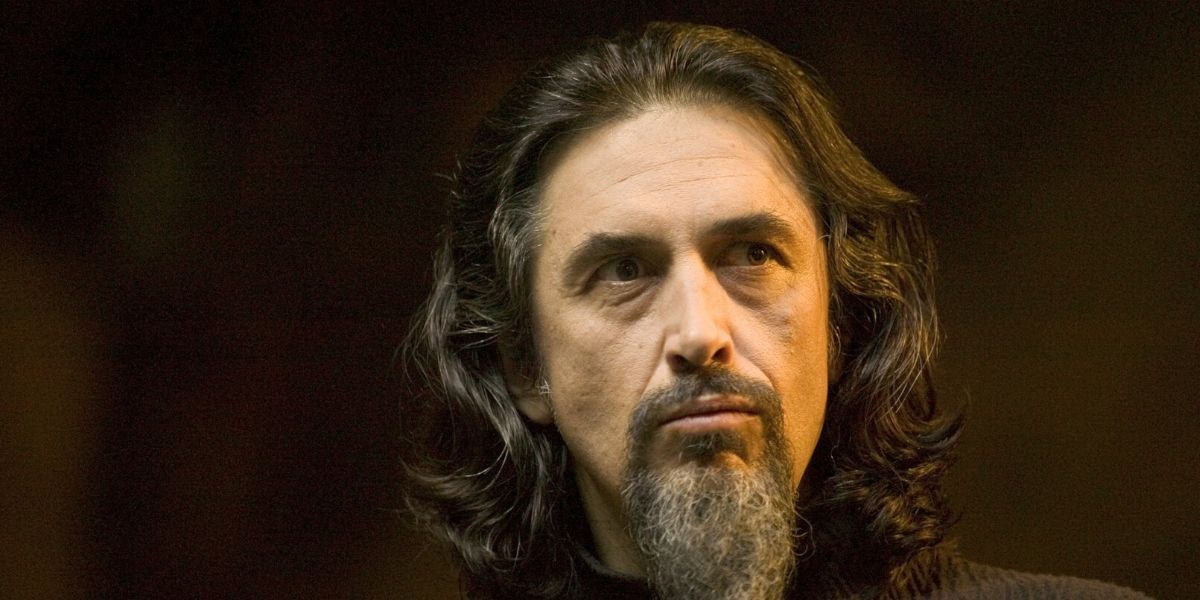
Throughout the Goblet of Fire, Karkaroff approaches Snape for help as he notices the Dark Mark becoming more visible - knowing that Snape was also a Death Eater in the past, this made sense. However, Snape continually rebuffed him, refusing to help or speak to him about the situation.
While this may seem needlessly cruel, it was actually a very wise decision. Not only did this prove to Dumbledore (and himself, presumably) that his true alliegance was not to Voldemort, it actually worked in his favor with Voldemort, too. Karkaroff was recognized as a traitor to the Death Eaters for turning in names to get out of Azkaban. Had Snape helped him, Voldemort would have known that Snape had also turned, and his double-agent status would be compromised.
2 Providing Veritaserum

At the end of the tournament, when Dumbledore realized that Moody was, in fact, not Moody, it was Snape who brought the Veritaserum. This is one of the more obvious decisions that he makes, and throughout the series, Snape is there with whatever potion might be required. However, the fact that it is a predictable decision doesn't make it any less of a good one.
Providing this meant that Barty revealed the entire Goblet Of Fire plan to Dumbledore - and while he would have presumably believed Harry anyway, getting this confirmation clearly helped, and helped the other teachers present believe as well. Had Barty not been given to the Dementors, he may have been made to confess in other ways, but as he died shortly after, this was the only confession he could make - thanks to Snape.
1 Not Going To Voldemort Immediately

At the end of the Triwizard Tournament, when Voldemort returns and calls the Death Eaters to himself, Snape is not among them. Clearly, he would have felt the Mark burn, but he actively chose not to appear right away - a decision that managed to keep him in Voldemort's good graces, and working as a double agent.
This is a choice that is even commented on in a later book, as Snape makes it clear that he chose not to arrive, but to speak to Dumbledore first, so that he could maintain his status as welcome on both sides. Of course, the Death Eaters thought that he was doing this to work for them, rather than Dumbledore, but they were wrong on that front.
Comments
Post a Comment