
Which Middle-Earth: Shadow Of War Difficulty Is Best

Middle-earth: Shadow of War expanded on the gameplay mechanics found in its predecessor, Shadow of Mordor, in a number of ways. It also comes with three difficulties that can affect various aspects of these mechanics: Easy, Normal, and Gravewalker. Ahead of beginning the game (or replaying it), some players may be wondering which Shadow of War difficulty is best. However, it really depends on playstyle and personal preferences.

Shadow of War utilizes WB's patented Nemesis system, which means enemies can learn a player's moves and patterns thanks to AI. Essentially, this means someone's interactions with NPCs and foes can affect the narrative and future encounters. And while the system has gotten a lot of praise since its debut, a player's love (or hate) of the Nemesis system may ultimately decide which Shadow of War difficulty mode is right for them.

Related: Wonder Woman Can Finally Bring Back Shadow Of Mordor's Nemesis System

The Easy difficulty in Middle-earth: Shadow of War is meant to get players through the main story without too many problems. Protagonist Talion will still likely die frequently, but enemy encounters are much easier. The downside to this is that the Nemesis system isn't fully utilized, so the enemy AI may not react as impressively as it would in other Shadow of War difficulty modes. Newcomers to the Middle-earth games - or people unfamiliar with  Shadow of War's Nemesis system - may opt to play in Easy until they learn more about the systems and how combat works.
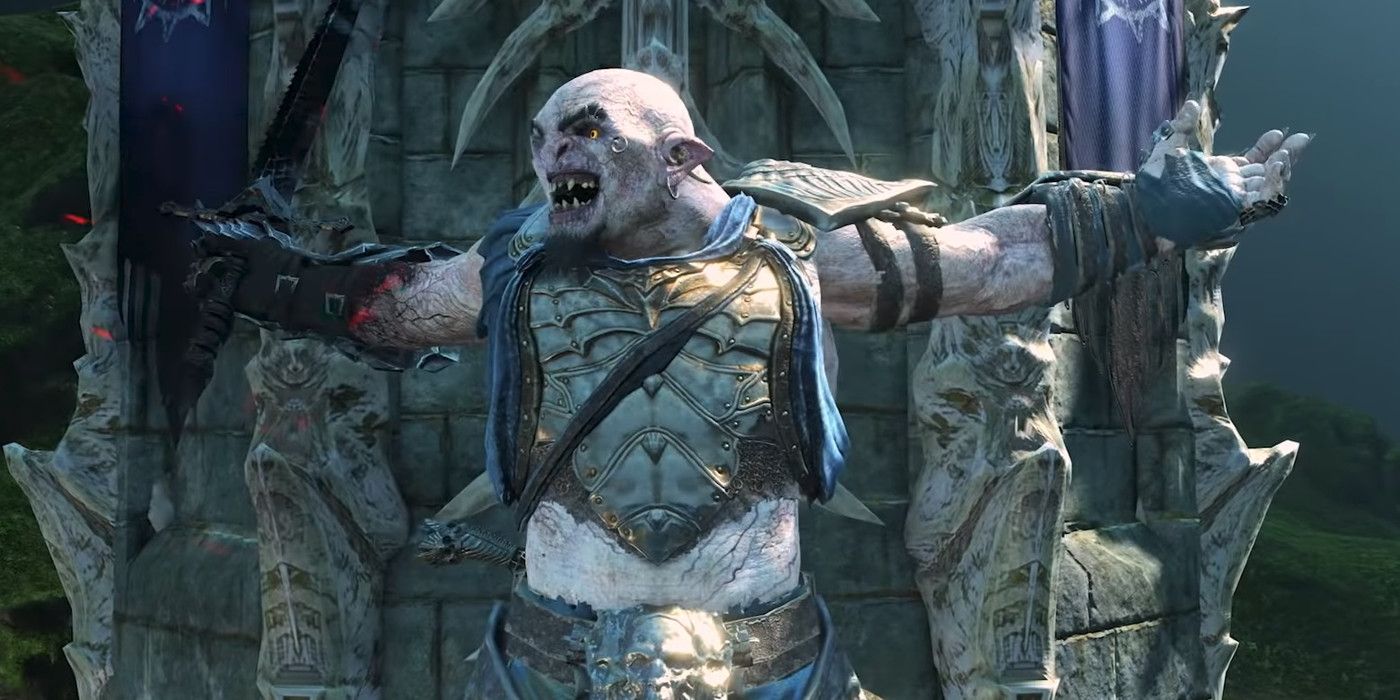
Normal mode in Middle-earth: Shadow of War is, of course, the standard difficulty level. Enemies are tougher than in Easy and will completely utilize the Nemesis system. This can be a great mode to start at, since players will get to experience everything the Nemesis system and this Lord of the Rings game have to offer in this Shadow of War difficulty mode. Overall, Normal stays fairly balanced between being challenging but sometimes forgiving. However, those looking for even more of a challenge - or who have played through the game before - may opt to try out the Gravewalker difficulty in Shadow of War instead. This will cause orcs to be smarter and adapt more easily and quicker to someone's playstyle.

Gravewalker is the hardest Shadow of War difficulty, and it will require players to carefully think about strategic approaches to combat - and how best to tackle enemies. While Gravewalker is certainly fun, dying should be expected a lot, and it may prove to be too difficult for some users - and especially to new players and those unfamiliar with the Middle-earth games' Nemesis system. Ultimately, it's up the player to decide which Middle-earth: Shadow of War difficulty is right for them, although Normal mode makes arguably the best play to start.

Next: How Middle-Earth: Shadow of Mordor's Accents Made Orc Dialog Better


Comments

Popular posts from this blog

CBS' Ghosts: Every Main Ghost Time Period & Backstory Explained

One of CBS' newest sitcoms,  Ghosts , features a cast full of spectral characters that each hail from a distinct time period and come with their own unique backstory and death. Though each of the eight ghosts has a wildly different perspective based on their different experiences throughout history, they nonetheless form a sort of family, which is one of the show's greatest charms. After all, being stuck with the same people for all of eternity allows for plenty of time to get to know each other. Ghosts , which is an adaptation of a BBC show of the same name, stars Utkarsh Ambudkar and Rose McIver (who played Liv Moore on five seasons of  iZombie ) as Jay and Sam, a young couple who inherit a mansion in upstate New York. To their surprise, however, the house also comes with several ghostly inhabitants, who Sam is able to see after a near-death experience. These are Thorfinn (Devan Long), Sasappis (Román Zaragoza), Isaac (Brandon Scott Jones), Hetty (Rebecca Wisocky...

The Hateful Eight's Original Ending Explained (& Why Tarantino Changed It)

The Hateful Eight has an ending full of blood and betrayal, as expected from any Quentin Tarantino movie, but this wasn’t the original ending – here’s why he changed it. Tarantino has explored different genres throughout his career; though he’s best known for his crime movies like Reservoir Dogs and Pulp Fiction , he's also visited genres like martial arts (with both Kill Bill  films) and black comedy ( Once Upon a Time in Hollywood ). In addition, he's shared his version of westerns with Django Unchained and The Hateful Eight , with the latter going through some problems and creative changes even before it began shooting. Set in 1870, Tarantino's The  Hateful Eight follows eight strangers, all with different (and secret) motivations, who end up in a stagecoach lodge after seeking refuge from a blizzard. These characters are Major Marquis Warren (Samuel L. Jackson), John “The Hangman” Ruth (Kurt Russell), Daisy Domergue (Jennifer Jason Leigh), Chris Mannix (Walton Gog...

Why Spider-Man 3's Uncle Ben Retcon Doesn't Change Peter's Origin

Sam Raimi’s Spider-Man 3 is often criticized for a major retcon made to Uncle Ben’s death , but this retcon ultimately doesn’t change Peter Parker’s classic origin story. Raimi’s third film in the iconic Spider-Man trilogy is often criticized, perhaps unfairly. While the film suffers from too many character arcs and plot threads and would have been better as two or three separate films, it does a more than adequate job adapting the Spider-Man comics and telling a sincere story about relatable, flawed, characters who are intertwined with the extraordinary, just as Stan Lee and Steve Ditko intended when co-creating the character. Uncle Ben’s retconned death may alter classic elements from the comic version, but it retains its most important aspects in regards to Peter’s characterization. 2002’s Spider-Man is, for much of the film’s first half, a faithful adaptation of Spider-Man’s 1962 origin story in issue 15 of the Amazing Fantasy comics. An awkward social pariah, Pete...