The incredible true story behind the 1961 theft of Goya's portrait of the Duke of Wellington comes to life in The Duke, a stylish new caper from the late Roger Michell (Notting Hill). Those unfamiliar with the actual events will get a kick out of watching them unfold, while even audiences who do know how everything transpired will likely be engrossed by the untold side of the story. Michell, working from a script by Richard Bean and Clive Coleman, treats the absurd tale with respect and heart, giving The Duke an earnest touch that elevates the material. Though it lags slightly in the middle, The Duke is an overall delightful depiction of a remarkable true story led by heartwarming performances.
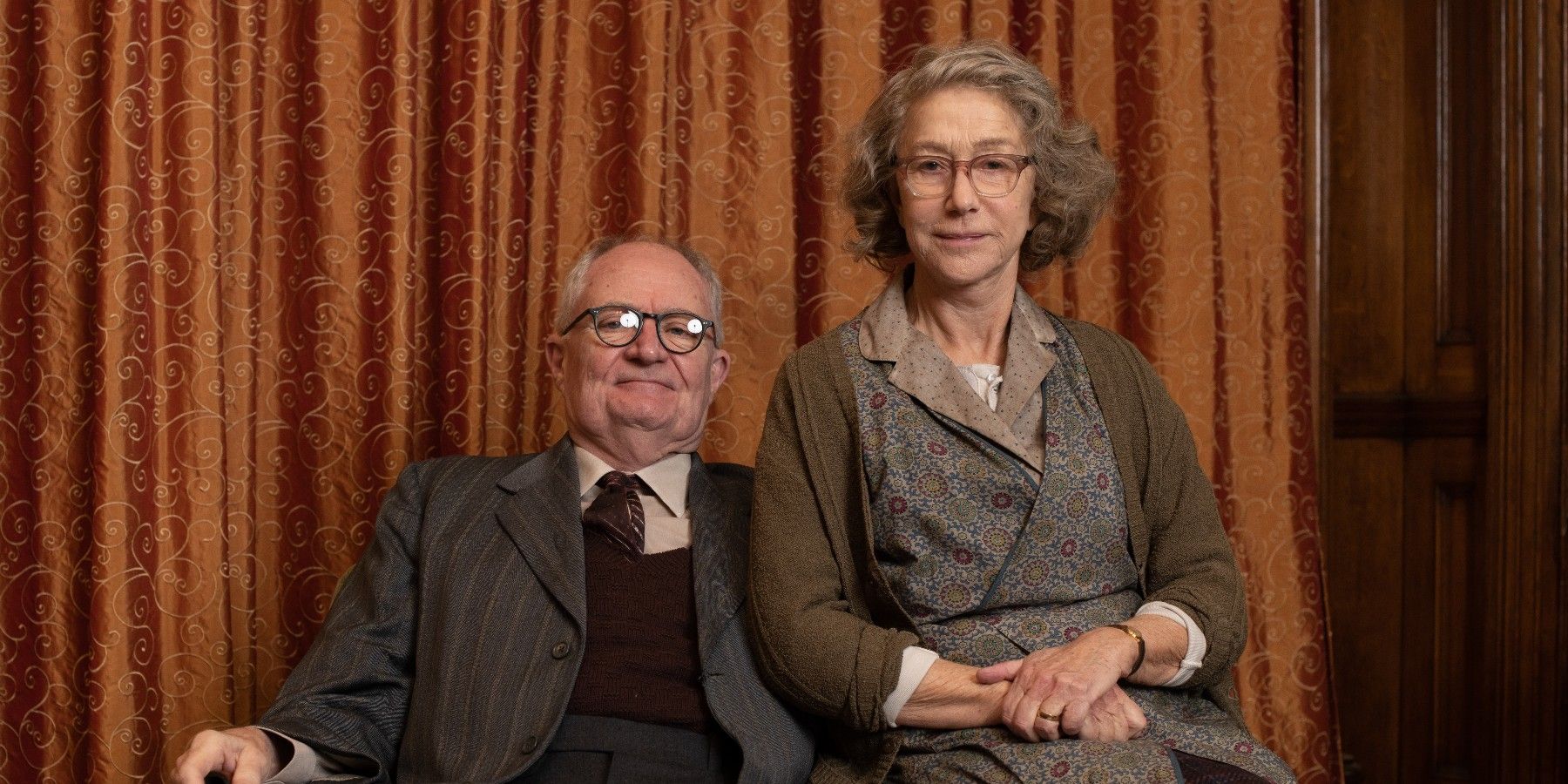
In 1961, Goya's famous Duke of Wellington portrait is put on display in London's National Gallery. Purchased for £140,000 by the British government, its place in the U.K. is considered a point of pride. However, for Newcastle resident Kempton Bunton (Jim Broadbent), the idea that so much money could be spent on such an item while OAPs, or old-age pensioners, must pay for television licenses is unfair. Soon after, Kempton steals the Duke from the Gallery and begins sending ransom notes calling on the government to put some money towards the elderly. What follows is a surprisingly emotional true story as Kempton, with the help of his son Jackie (Fionn Whitehead), fights for what he deems is only right, even while his put-upon wife Dorothy (Helen Mirren) wishes he would cease his activism.

The story of an older man stealing a painting with an eye on raising awareness for a situation involving television licenses might seem rather silly, and Michell wisely leans into the humor of it all. The Duke has a sprightly energy from its very first minutes, with George Fenton's swinging score buoying the action. Michell occasionally employs split-screens and classic-looking footage to fun effect. The Duke is further aided by Bean and Coleman's screenplay, which highlights Kempton's earnest nature without getting too sanctimonious. This is a man who sticks to his guns and the film shows exactly why he deserves admiration from the rest of the world. Overall, the movie is a quick affair with its roughly 90-minute runtime, though it does slow somewhat once the painting has been stolen and Kempton is working out his next moves forward. Michell eases the pacing and Bean and Coleman add in some solid character work. Still, The Duke is at its best when it is focusing on the major events of this experience.
Even with its lighthearted approach, though, The Duke still finds space for real heart. Kempton and Dorothy lost a daughter years before the film begins, and while their grief never overwhelms the story, it is present. Bean and Coleman depict two sides of grieving here: Dorothy's version, which is to keep everything private and tightly locked up, and Kempton's, which is to interact with it via art. Through their perspectives, The Duke smartly confronts a difficult topic that many people can likely empathize with. This extra layer gives Kempton's story more depth and shows he's far more than a strangely passionate man who would use a famous art piece for "ransom."

As Kempton, Broadbent nails both his humor and his righteous nature. With the former, Broadbent's comedic timing is on fine display during The Duke's later court scenes, pulling laughs from both the audience and the stunned courthouse patrons. He makes Kempton someone to root for, even if some might question his methods. Mirren is reliably excellent as the emotionally repressed Dorothy; when she thaws, or even lets her own grief loose, she tugs at heartstrings. The Duke is mainly a showcase for these two acting vets, though Dunkirk star Whitehead does well as the loyal, yet somewhat lost Jackie.
Real life stories brought to film are often of the heavier, more impactful variety. Still, The Duke more than justifies its existence through its thoughtful illumination of an odd, but ultimately rather vital true tale. There is humor and emotion in equal measure, and each member of the cast gives a wonderfully authentic performance. As this is sadly Michell's last feature film, there is a slight undercurrent of melancholy here. At the same time, Michell's direction for this movie is something to be celebrated, and hopefully it will be. Anyone looking for an entertaining story about a genuinely good person would be smart in checking out The Duke.
The Duke is now playing in select theaters. It is 96 minutes long and rated R for language and brief sexuality.
Comments
Post a Comment