Warning: Contains SPOILERS for Bridgerton season 2.
Although still centered around a romance and featuring some steamy moments, Bridgerton season 2 has far fewer sex scenes than season 1, and with good reason. Bridgerton became hugely popular on Netflix after it first released back in 2019 thanks to several factors, including its period setting, compelling romance, well-written characters, sumptuous production design and costumes, and, yes, its love scenes. Sex sells, after all, and while it wasn't necessarily the main reason for so much investment in Bridgerton, it was nonetheless a factor.
Bridgerton season 2 was always going to be somewhat different, with the focus on a new romance as Daphne (Phoebe Dynevor) and Simon Basset (Regé-Jean Page) make way for the new couple in town (or rather, the Ton), Anthony Bridgerton (Jonathan Bailey) and Kate Sharma (Simone Ashley). Their enemies-to-lovers romance alone makes for a new kind of story in comparison to Daphne and Simon's, but it also makes for a sophomore year that's less filled with characters giving in to their passions.
It's the difference between Bridgerton's Daphne and Simon compared to Anthony and Kate that explains why season 2 has fewer sex scenes than season 1, because it wouldn't fit with the latter's relationship in the same way it does the former's. Season 1 was essentially Daphne's sexual awakening and education; she learned about sex as she went along with the Duke, the couple growing together and and discovering one another in a very physical way. One of Daphne's key lines in season 1, where she tells Simon "I burn for you," sums it up nicely, as there's a real fire there that means the couple can't help but to give in to their love and lust for one another. In contrast, Anthony and Kate's romance is more defined by sexual tension; it's deliberately a slow burn rather than the instant heat of their predecessors, because they have to take their time to realize exactly what it is they're feeling and what they want.
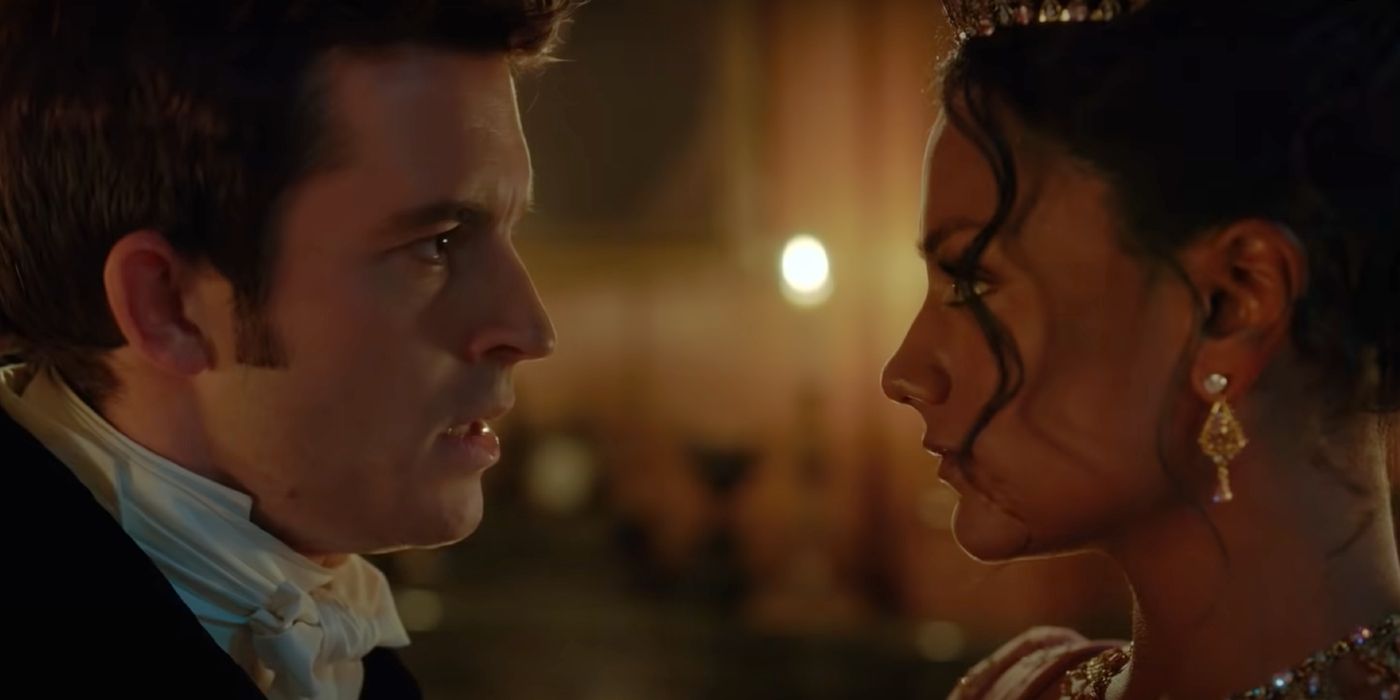
This is a stark contrast to Bridgerton season 1's Anthony, who had plenty of love scenes of his own in the show's first year with his first romantic interest, Siena Rosso (Sabrina Bartlett). Anthony may have had feelings for Siena, but it wasn't quite the same as his relationship with Kate, more based around their physical attraction and sheer lust for one another. With Anthony as Bridgerton season 2's main character, then it wouldn't make sense to go on a similar journey to Daphne having her awakening, because that has long since happened for him. Instead, it's about finding a deeper connection with someone, opening himself up emotionally to loving another person and choosing happiness for himself, which doesn't begin with sex.
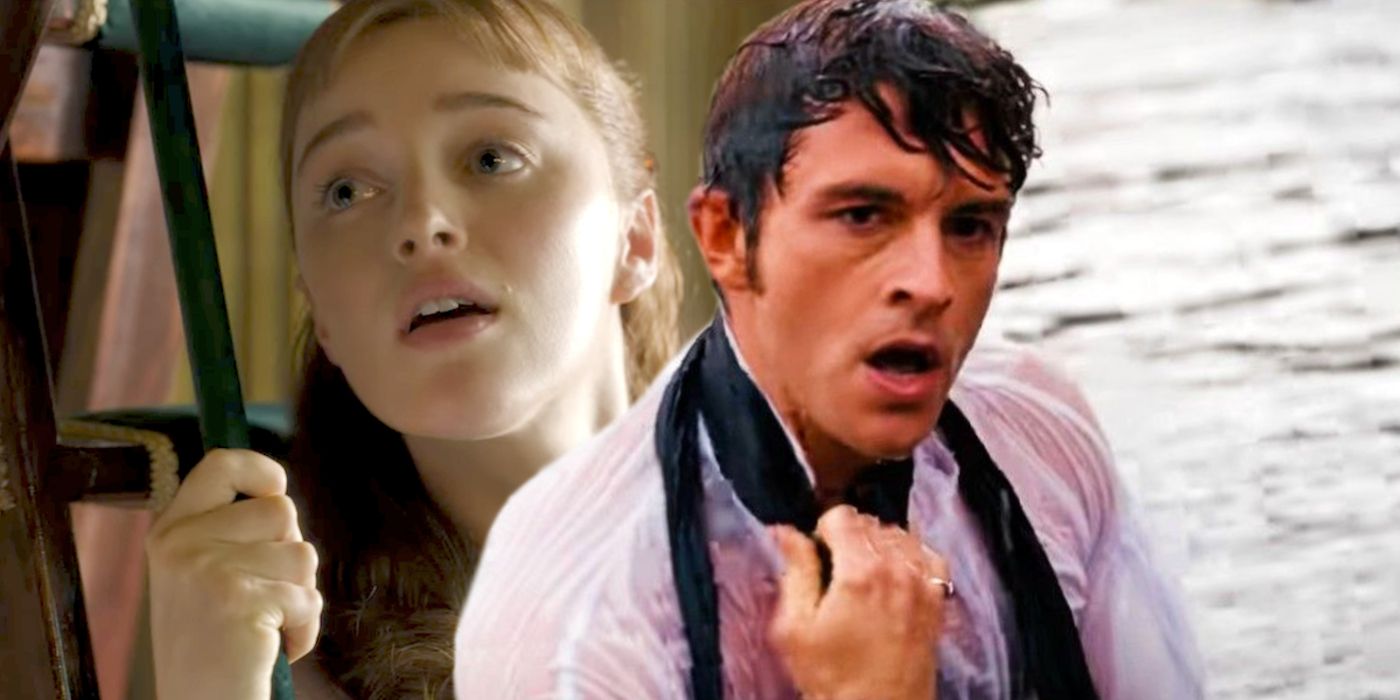
Of course, just because Bridgerton season 2 has less sex doesn't mean it's less sexy. There is a lot of tension, with scenes where Anthony and Kate come close to being intimate with one another even while professing to dislike or vex the other, and they offer their own sense of steaminess: the near touches, accidental contact, and furtive glances ensure its burn may be slow, but pulses are not. There are also other moments clearly designed to be the "hot" version of the show to which viewers are accustomed, like Anthony's wet-shirted, Mr. Darcy scene in the lake. Ultimately, Bridgerton season 2's Anthony and Kate storyline builds and builds its tension, its main characters edging closer and closer together until it can finally deliver the payoff of them consummating their relationship, which is all the more satisfying because of the wait.
Bridgerton season 2 is now streaming on Netflix.
Comments
Post a Comment